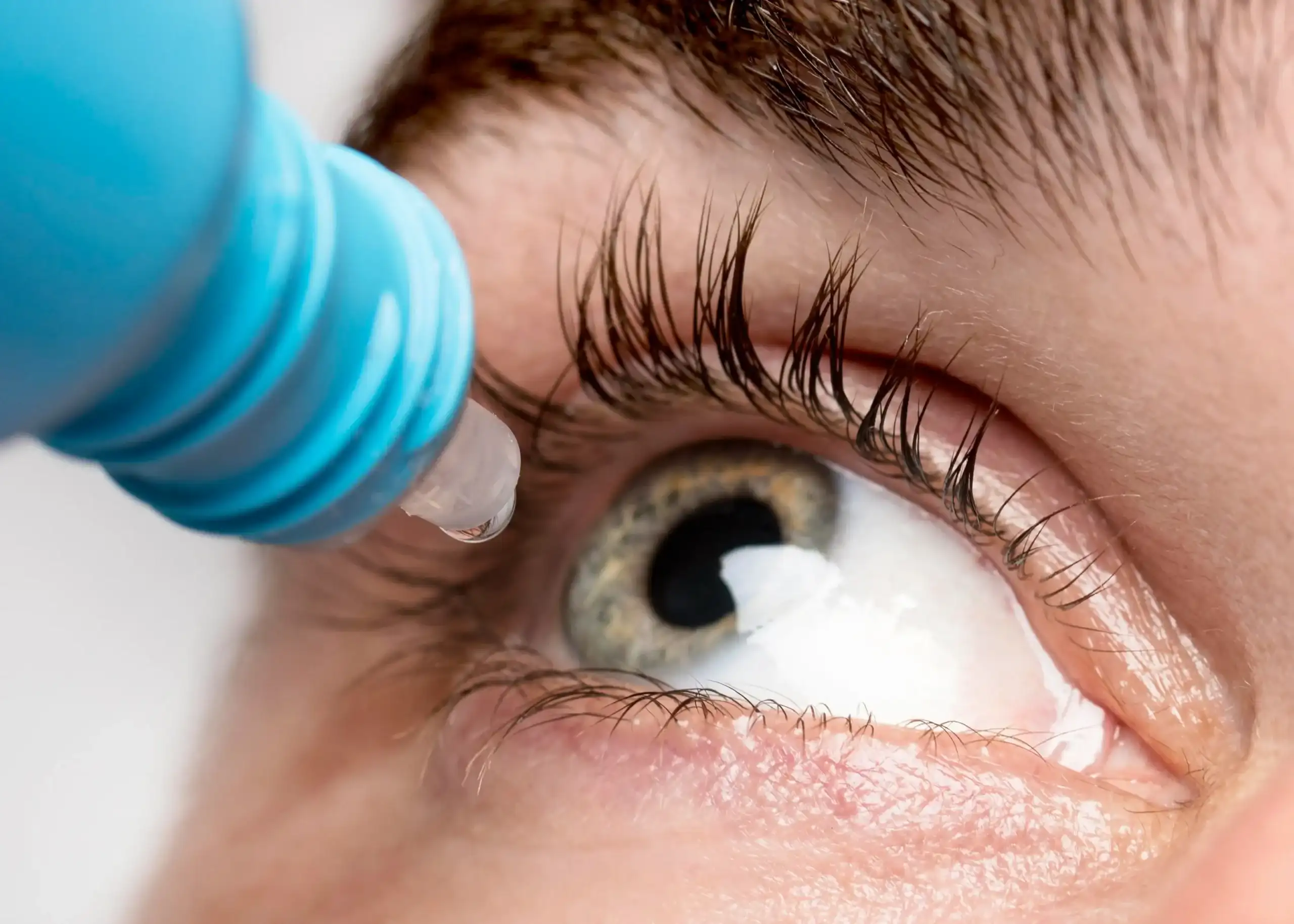

This is one of the most counterintuitive things in eye care: if your eyes won’t stop watering, the problem is very often that they’re actually too dry. It sounds like a contradiction, but once you understand what’s happening, it makes perfect sense.
Your tear film isn’t just water. It has three layers: an outer oily layer (produced by the meibomian glands in your eyelids) that stops the tears from evaporating too quickly, a watery middle layer that provides moisture and nutrients, and an inner mucus layer that helps the tears stick to the eye surface. When the oily layer is deficient – which is extremely common, especially with blepharitis or meibomian gland dysfunction – the watery layer evaporates too fast. The eye surface dries out, becomes irritated, and the brain triggers a flood of reflex tears to compensate.
Reflex tears are the emergency response – like crying. They’re almost entirely water, with very little oil or mucus, so they don’t actually fix the underlying dryness. They wash over the eye, spill onto the cheek, and the cycle starts again.
The paradox explained Your eyes are watering because they’re dry. The tear film’s protective oil layer has broken down, causing the watery layer to evaporate, which triggers a flood of emergency reflex tears that don’t solve the problem. More water isn’t the fix – better tear quality is. |
Allergies
Allergic conjunctivitis – from pollen, dust, pets, or other irritants – triggers itching, redness, and watering. The watering is part of the immune response, not a tear film problem. Antihistamine eye drops help, and as an IP practice we can prescribe stronger targeted drops directly.
Blocked Tear Ducts
Tears drain from the eye through tiny ducts at the inner corner of each lid. If these ducts narrow or block – more common with age – tears have nowhere to go and spill onto the cheek. This is a structural problem rather than a tear-quality problem, and the treatment is different: warm compresses and massage can sometimes help, but persistent blockage may need a minor surgical procedure to open the duct.
Lid Position Problems
If the lower eyelid turns slightly inward (entropion) or outward (ectropion), the tear drainage system doesn’t work properly, causing tears to pool and overflow. This is a physical problem that may need surgical correction.
Environmental Irritants
Wind, cold air, air conditioning, central heating, and smoke all increase tear evaporation. If your eyes mainly water outdoors in wind or cold, the cause is straightforward – the environment is stripping moisture from the eye surface faster than the tear film can maintain it.
If the underlying cause is meibomian gland dysfunction or blepharitis – which it is in the majority of chronic watery-eye cases – adding more artificial tears treats the symptom without fixing the problem. Our dry eye and blepharitis clinic assesses the quality of your tear film, the function of your meibomian glands, and the condition of your eyelid margins to build a treatment plan that addresses the root cause. For more on how that works, our dry eye blog covers the fuller picture.
If watery eyes have been bothering you and drops aren’t cutting it, the next step is finding out what’s actually causing it. Book an appointment or call us on 0141 427 4040. At Mosspark Opticians in Glasgow, we’ll assess the tear film, check the glands, and work out what’s driving the cycle rather than just adding more moisture on top.
Book your comprehensive eye examination or eyewear styling consultation with
Mosspark Opticians today.
The most common cause is paradoxically dry eye - a deficient oil layer in your tear film causes the watery layer to evaporate, triggering a flood of reflex tears. Other causes include allergies, blocked tear ducts, and environmental irritants.
Yes - it's the single most common cause. When the tear film breaks down, the eye triggers emergency reflex tears that are mostly water, don't fix the dryness, and overflow onto the cheek.
It depends entirely on the cause. If it's tear film instability, treating the underlying meibomian gland dysfunction or blepharitis is the fix - not more drops. If it's allergic, targeted anti-allergy drops help. If it's a blocked duct, the treatment is structural.
An optician can assess your tear film, meibomian glands, and eyelid health with specialist equipment, which makes it a good first step. If the cause is structural (blocked duct, lid position), we'll refer you to the right specialist.
Not usually. Watering on its own, without discharge, redness, or pain, is more commonly related to tear film quality or environmental factors than infection.
Other Articles from Mosspark Opticians: