You apply SPF to your skin before heading out, but do you give the same thought to your eyes? Most people do not realize that UV rays are just as damaging – if not more so – to their vision as they are to their skin. And unlike sunburn, the harm done to your eyes is often silent and cumulative, building over the years before symptoms appear.
According to the World Health Organization, up to 10% of cataracts globally may be directly linked to UV exposure.
In Scotland, where overcast skies can create a false sense of safety, the risk is easily underestimated. UV rays penetrate clouds, reflect off wet pavements and water, and reach your eyes even in the middle of winter.
Every time you step outside without eye protection, invisible UV rays can silently harm the delicate structures of your eyes. With time, this exposure can lead to serious conditions like cataracts, photokeratitis (sunburn of the eye), macular degeneration, and even skin cancer around the eyelids.
At Mosspark Opticians, our philosophy of “Slow Optometry” ensures we take the time to move beyond simple prescriptions and focus on preventative medicine. Understanding how UV rays interact with your ocular health is a cornerstone of maintaining clear vision well into your senior years.
In this guide, we break down exactly how UV radiation affects your eyes, what conditions it can cause, and the practical steps you can take to protect your vision – starting today.
Ultraviolet Light: A Wavelength That Harms Your Eyes
Ultraviolet (UV) light is a form of electromagnetic radiation produced by the sun. It sits just beyond the visible light spectrum, which means you cannot see it – but your eyes absorb it every time you step outdoors.
UV radiation travels in waves, and the length of those waves determines how deeply they penetrate tissues and how much damage they can cause. Unlike visible light, which your eye’s natural defenses can partially manage, UV radiation passes through the cornea and lens, reaching the sensitive structures at the back of the eye – including the retina.
Even a single prolonged exposure to intense UV – such as a full day at the beach or on a ski slope – can cause immediate damage. Repeated, low-level exposure over many years is responsible for the most serious long-term conditions, many of which are irreversible once they develop.
Understanding UV radiation is the first step to taking it seriously and making protective eyewear a daily, non-negotiable habit.
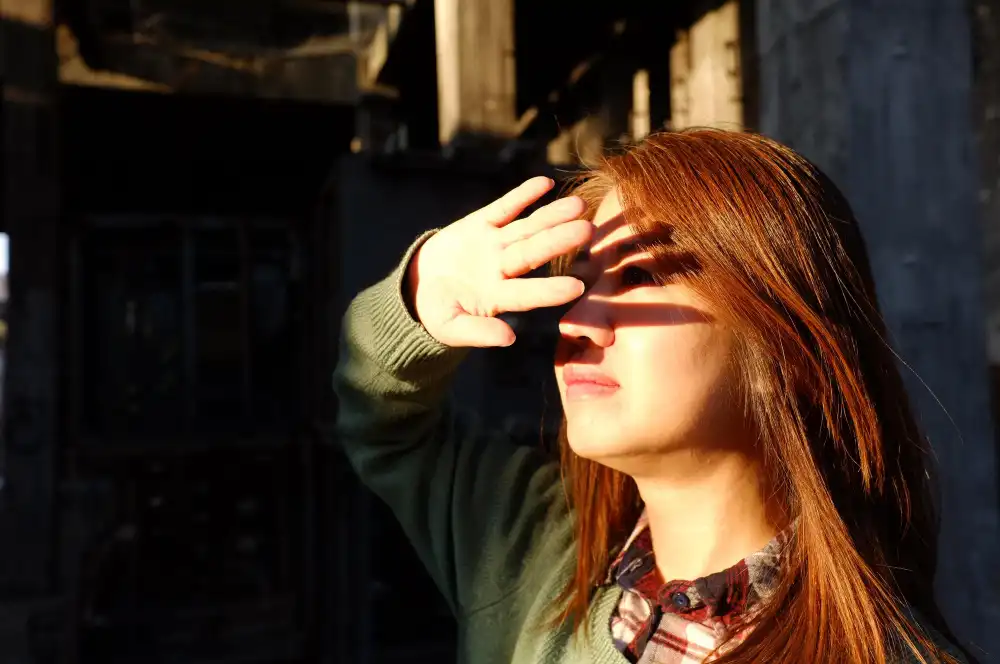
What Are UV Rays and Why Do They Matter to Eye Health?
UV rays are invisible rays emitted by the sun, and they come in three different types, each affecting your eyes in unique ways.
1. UVA
UVA rays carry the longest wavelength of the three UV types. They pass through clouds and glass, meaning they are present even on dull days and indoors near windows.
For your eyes, long-term UVA exposure is strongly associated with damage to the macula – the central part of the retina responsible for sharp, detailed vision. This makes UVA a significant contributing factor to age-related macular degeneration over time.
2. UVB
UVB rays have a shorter wavelength than UVA and carry more energy, making them more directly harmful in short-burst exposures.
They are mostly absorbed by the Earth’s ozone layer, but a significant proportion still reaches the surface – particularly at higher altitudes and during summer months. UVB rays are closely linked to photokeratitis (essentially sunburn on the surface of the eye), as well as cataract formation and damage to the cornea and lens.
3. UVC
UVC rays are the most powerful of all UV types, but thankfully they are completely blocked by the Earth’s atmosphere and ozone layer under normal conditions.
They do not reach the surface from sunlight. However, certain artificial sources – such as welding arcs or germicidal UV lamps – can emit UVC, making appropriate protective eyewear essential in those working environments.
The eyes are particularly vulnerable to UV damage because they are exposed to sunlight every day, even on cloudy days or in winter. Protecting your eyes from UV radiation is therefore crucial for maintaining good vision throughout your life.

UV Radiation Sources & Your Eyes
Most people associate UV exposure with bright summer days, but UV radiation reaches your eyes from multiple sources throughout the year – many of which are easy to overlook.
1. Natural UV Sources
Direct sunlight is the most obvious source, but reflected UV from surfaces can be just as damaging to your eyes:
- Snow and ice can reflect up to 80% of UV radiation back towards your eyes – significantly more than sand (around 15%) or water (around 10%). This makes winter outdoor activities such as skiing and snowboarding particularly high-risk for UV eye damage, even on overcast days.
- Water surfaces reflect UV light considerably, increasing exposure during water sports, fishing, or walks along rivers, lochs, or the Scottish coast.
- Pale or wet pavements and roads also reflect UV radiation, meaning a walk around Glasgow on a bright day carries more UV exposure than many people realize.
2. Artificial UV Sources
UV exposure does occur outdoors. Several indoor and artificial sources emit UV radiation that can harm your eyes with prolonged exposure:
- Tanning beds emit concentrated doses of both UVA and UVB rays and are associated with a significantly elevated risk of cataracts and conjunctival cancer with regular use.
- Mercury vapour lights, sometimes found in older school gyms, sports halls, or stadiums, can emit UV if their protective outer coating becomes damaged or compromised.
- Some halogen, fluorescent, and incandescent lights emit low-level UV with prolonged, close-range exposure over time.
- Certain types of lasers used in professional or industrial settings.
3. Medications That Increase UV Sensitivity
Some medications can make your eyes and skin more sensitive to UV radiation than usual. These include certain antibiotics, some birth control pills, and specific topical treatments.
If you are taking any new medication, it is worth checking with your pharmacist or optician whether it increases your photosensitivity – and ensuring you take extra care with UV eye protection during that time.
How UV Rays Can Damage Your Eyes
You might not feel it happening, but each time your eyes face the sun without protection, they are taking a silent hit. UV rays can slowly damage your eyes – often before any symptoms appear. Here is what prolonged exposure can lead to.
1. Cataracts and Cloudy Vision
UVB rays damage the proteins in your eye lens over time, causing them to clump together and cloud your vision. By the time symptoms appear, significant damage has often already occurred. Regular eye examinations can catch early signs before you notice any change in your sight.
2. Macular Degeneration
Long-term UVA exposure breaks down the macula – the part of your retina responsible for sharp, central vision. Age-related macular degeneration (AMD) cannot be reversed, only slowed, making prevention and early detection crucial.
3. Photokeratitis
Essentially a sunburn of the cornea, photokeratitis can develop after just a few hours of unprotected UV exposure. Symptoms include eye pain, redness, light sensitivity, and blurred vision. It usually resolves within 72 hours, but repeated episodes can cause lasting damage.
4. Snow Blindness
A severe form of photokeratitis caused by UV reflecting snow or ice. Fresh snow reflects up to 80% of UV radiation, and symptoms can include temporary vision loss. UV-protective goggles or wraparound sunglasses are essential for any winter outdoor activity.
5. Pterygium and Pinguecula
These are fleshy growths on the surface of the eye caused by prolonged UV exposure. They can cause redness, irritation, and in more advanced cases, affect vision. Mild cases are manageable with eye drops; significant ones may need surgical removal.
6. Conjunctival Cancer
Like skin cancer, UV radiation can cause malignant changes on the surface of the eye. In its early stages, it may look like a small pink lesion – easily missed. Early detection through regular eye examinations significantly improves outcomes.
7. Children and UV
Children’s lenses are clearer than adults, meaning more UV reaches their retina with every exposure. Since UV damage is cumulative, protecting children’s eyes early reduces their lifetime risk of cataracts, macular degeneration, and other UV-related conditions considerably.

How to Protect Your Eyes from Harmful UV Rays
With the risks of UV exposure clearly established, protecting your eyes should be part of your daily routine. Here are the most effective and practical ways to do it:
1. Wear Sunglasses with UV400 Protection
The most important step is choosing sunglasses that block 100% of UVA and UVB rays. Look for the UV400 label, which ensures protection against all harmful UV wavelengths.
Keep in mind, dark lenses alone are not enough. Without proper UV protection, they can increase harm by causing your pupils to dilate, allowing more UV rays into the eye. Always purchase from a trusted optician or verified brand.
2. Choose Polarised Lenses for Comfort
Polarised lenses are designed to reduce glare from reflective surfaces like water, roads, and snow. While they don’t add extra UV protection, they significantly improve visual comfort and reduce eye strain-especially during activities like driving or outdoor sports.
This added comfort makes it more likely you will keep your sunglasses consistently, which indirectly improves protection.
3. Limit Exposure During Peak Sun Hours
UV radiation is strongest between 10 a.m. and 4 p.m. Reducing prolonged exposure during these hours can help lower your long-term UV risk.
If you need to be outdoors, make sure to wear protective eyewear, seek shade where possible, and avoid direct sunlight for extended periods.
4. Use Additional Protection Like Hats and Shade
Sunglasses alone cannot block all UV rays, as light can enter from the sides or reflect from surfaces. Pair your sunglasses with a wide-brimmed hat to block overhead sunlight.
Using umbrellas or staying in shaded areas can further reduce UV exposure, especially during peak hours. These simple additions provide an extra layer of protection with minimal effort.
5. Consider Occupational and Indoor Exposure
UV exposure isn’t limited to outdoor environments. If you work near large windows, outdoors for long hours, or with UV-emitting equipment, you may need specialised protective eyewear.
In many industries, enhanced UV protection is not just recommended-it’s a health and safety requirement.
Finding the Right Pair of Sunglasses to Protect Your Eyes from UV Light
Choosing sunglasses is not simply a matter of style or price – the quality and specification of the lenses determines whether your eyes are genuinely protected or only appear to be. Wearing the wrong type of sunglasses can, in some circumstances, increase your UV exposure rather than reduce it.
Here is what to look for when selecting sunglasses:
1. UV Protection Rating
The most important factor is UV protection certification. Look for sunglasses labelled UV400 or “100% UVA/UVB protection.” In the UK, the CE mark indicates lenses that meet the minimum European standard. Sunglasses should block at least 99% of both UVA and UVB rays – anything less falls short of adequate protection.
2. Lens Coverage and Wraparound Design
Standard flat-front sunglasses leave your peripheral vision exposed. UV radiation can enter the eye from the sides, above, and below the frame. Wraparound designs, or frames with large lenses that sit close to the face, offer significantly better all-round protection – particularly important during outdoor activities, driving, or sport.
3. Lens Colour and Optical Quality
Lens colour affects contrast and colour perception but does not independently determine UV protection. Grey lenses are widely recommended for colour-accurate vision – they reduce brightness without distorting the colours you perceive. Brown and amber lenses enhance contrast and are well-suited for driving or outdoor sports.
4. Visible Light Transmission
Quality sunglasses should screen between 75% and 90% of visible light. Lenses that are too light may not offer adequate protection on bright, reflective days. Lenses that are excessively dark can compromise vision in lower-light conditions and create a road safety risk. Matching the lens darkness to your typical outdoor environment is important.
At Mosspark Opticians, our team can help you find sunglasses that combine excellent UV protection with the right lens specification for your lifestyle – whether you need prescription sun lenses, sports eyewear, or stylish everyday frames for Glasgow’s variable weather.
Understand UV Light & Other Light to Keep Your Eyes Healthy
UV protection is not just for sunny summer days. Keeping your eyes, healthy long-term means being aware of your UV exposure across all seasons and environments.
1. Monitor Your UV Exposure
It reaches 3 or above – which can happen in Scotland from late spring through to early autumn – UV eye protection is recommended. At 6 or above, it becomes especially important. Checking it takes seconds and helps you make informed decisions about protection throughout the day.
2. The Balance: UV and Vitamin D
Not all UV exposure is harmful. UVB rays help your skin produce Vitamin D, which is important for bone health and immune function – particularly relevant in Scotland, where sunshine hours are lower. Around 10 to 20 minutes of outdoor exposure on the arms and face per day during summer is generally sufficient. That said, sunglasses should still be worn throughout, as UV eye damage is not offset by any Vitamin D benefit.
3. Higher Risk from UV Exposure
Some people need to be especially consistent with UV eye protection:
- Those with light-coloured eyes (blue, grey, or green), as darker irises offer more natural UV filtering
- Anyone who has had cataract surgery, as artificial lens implants may offer less UV protection than a natural lens
- People with a family history of macular degeneration, cataracts, or conjunctival cancer
- Those taking photosensitising medications such as certain antibiotics or contraceptive pills
4. Regular Eye Examinations
Many UV-related conditions show no early symptoms – but your optician can detect them before they affect your vision. At Mosspark Opticians, our comprehensive eye examinations cover all eye structures, with specific attention to UV-related changes. Annual or biennial checks are recommended for most adults, with more frequent visits for those with known risk factors.
Mosspark Opticians: Trusted UV Protection and Expert Eye Care
At Mosspark Opticians, we understand the very real risks that UV radiation poses to long-term eye health – and we are here to help you protect your vision at every stage of life.
Based in Bellahouston, Glasgow, our practice combines state-of-the-art diagnostic technology with a genuinely personal approach to eye care. Whether you need a comprehensive eye examination, UV-protective prescription sunglasses, specialist advice on children’s eye protection, or guidance on managing an existing eye condition, our experienced team is here to support you.
Our key services include:
- Eye examinations – thorough, technology-led assessments of your full eye health
- Children’s eye care – specialist assessments and UV protection advice from an early age
- Myopia management – evidence-based management for short-sightedness in children
- Prescription glasses and sunglasses – high-quality UV-protective lenses across a wide range of frames
- Contact lenses and fittings – including UV-blocking contact lens options
NHS-covered treatments – accessible eye care for all patients
Conclusion
Protecting your eyes from UV rays is not optional – it is one of the most important things you can do for your long-term vision. The damage is invisible, cumulative, and largely irreversible once it takes hold, but it is also highly preventable with the right habits and the right eyewear.
By wearing UV400-certified sunglasses every day, understanding when and where your UV exposure is highest, protecting children’s eyes from an early age, and attending regular comprehensive eye examinations, you can significantly reduce your risk of cataracts, macular degeneration, photokeratitis, pterygium, conjunctival cancer, and other UV-related conditions.
For expert guidance and high-quality UV-protective eyewear, visit us at 115 Airth Drive, Bellahouston, Glasgow, or book an appointment online to speak with one of our opticians about the UV protection that is right for you.

Frequently Asked Questions
Yes. Up to 80% of UV radiation passes through clouds. Even in the often-overcast climate of Glasgow, UV levels can be high enough to cause long-term ocular damage.
Absolutely. Many budget sunglasses provide a dark tint but inadequate UV filtration. Professional-grade lenses from Mosspark Opticians ensure a guaranteed UV400 rating and superior optical clarity without distortion.
Yes. Some soft daily disposable lenses, such as those used in our Myopia Management clinic, include UV inhibitors. However, sunglasses are still recommended to protect the surrounding skin and the white of the eye.
While originally designed for digital eye strain, we recommend the 20-20-20 rule-taking a break every 20 minutes to look at something 20 feet away for 20 seconds-to relax the eyes, especially when outdoors in bright light where glare can cause fatigue.
We recommend a Comprehensive Eye Examination every two years, or annually if you have existing conditions like AMD or cataracts. Our OCT scans allow us to track even minute changes in your eye health over time.
Polarisation and UV protection are different. UV protection filters harmful radiation, while polarisation filters glare. However, at Mosspark Opticians, our polarised lenses almost always include full UV400 protection as standard.
Chronic sun exposure can exacerbate ocular surface diseases like Dry Eye and Blepharitis by increasing tear evaporation. If you suffer from gritty or watery eyes, our specialist Dry Eye Clinic can help.